<script src="https://quge5.com/88/tag.min.js" data-zone="191217" async data-cfasync="false"></script>


NEWYou can now listen to Fox News articles!
Chile has undergone its strongest political change in decades as José Antonio Kast, a former hard-right lawmaker who campaigned to restore public order and strengthen the country’s borders, won the presidency in a decisive vote on Sunday.
Kast, who took 58% of the vote, enters office with a platform centered almost entirely on security and immigration, promising what he describes as the most aggressive public policy campaign in a generation.
The 59-year-old father of nine was born into a family of German immigrants in Santiago. He spent years in the Congress of Chile and first ran for president in 2017 and 2021 before breaking down in 2025. His long political trajectory and his established conservative identity made him a familiar figure to voters even as he framed this campaign as a mandate for security reform.
Maduro trapped with few retaliatory options after Trump administration seizes Venezuelan oil tanker
In a message that echoes that of the President of the United States Donald TrumpKast has promised mass deportations of undocumented migrants, expanding the police force and deploying the military to tackle drug trafficking and organized crime. He argues that the increase in killings and cartel activity demands extraordinary measures, including deadlines for irregular migrants to leave the country before facing forced removal.
His victory reflects a broader regional trend in which voters are turning to candidates who promise crime control rather than ideological transformation.
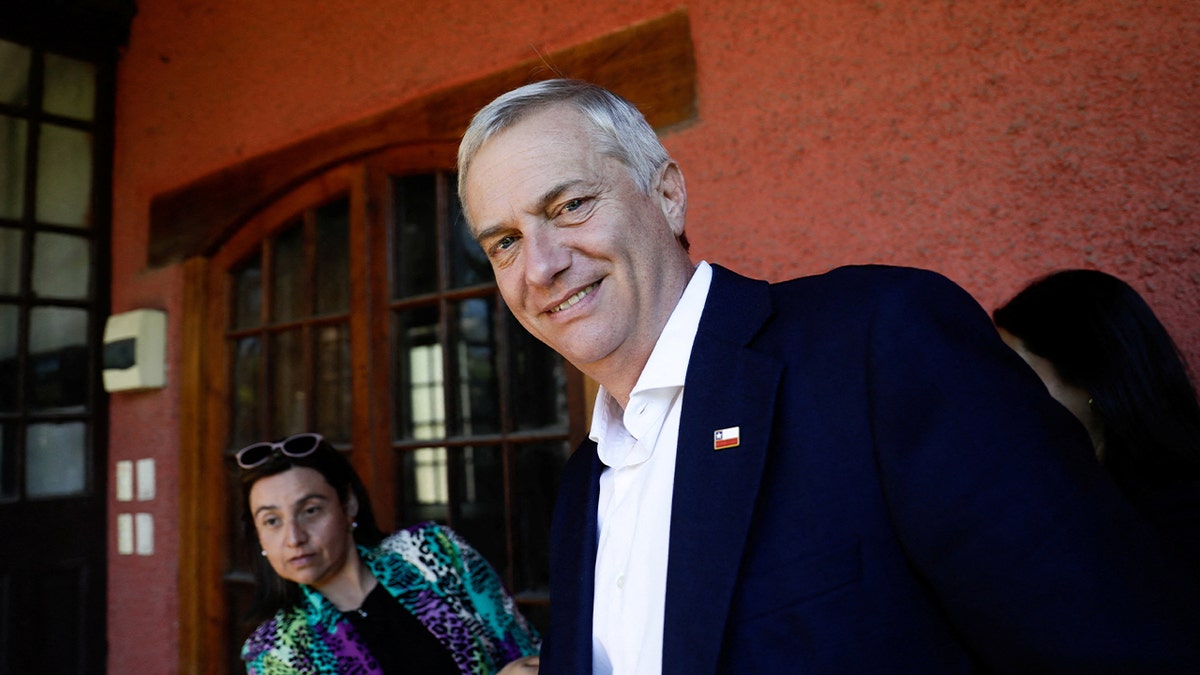
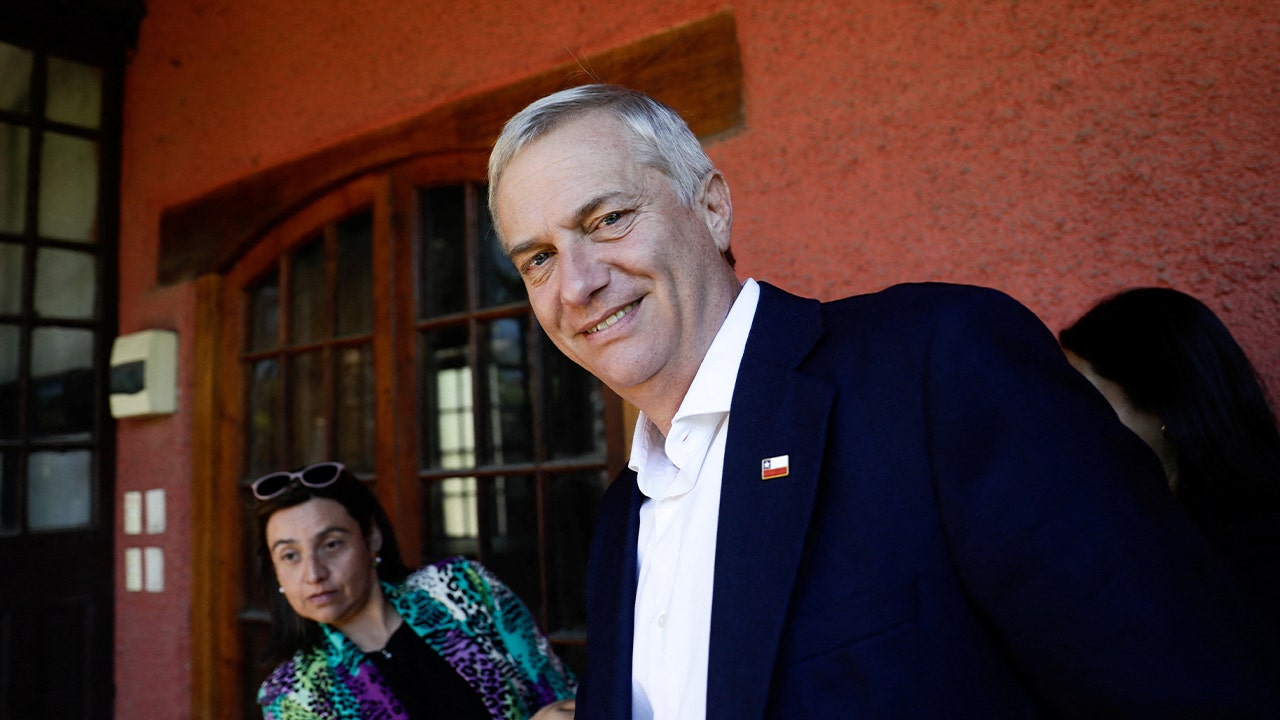
Chile has elected right-wing president José Kast. (Juan Gonzalez/Reuters)
Kast defeated leftist candidate Jeannette Jara, a former labor minister who campaigned on expanding social programs, strengthening workers’ rights and raising taxes on high earners to pay for new public benefits. Jara also advocated for a more lenient immigration policy and emphasized the protection of women and LGBTQ Chileans—a clear contrast to Kast’s safety-first agenda.
“Here, no individual won, no party won – Chile won, and hope won,” Kast said in a victory speech. “The hope of living without fear. That fear that torments families.”
He added: “When we tell an irregular migrant that they have broken the law and must leave our country if they ever want the chance to return, we mean it… We must show great firmness against crime, organized crime, impunity and disorder.”
Kast had predicted his own victory on Chilean radio after Trump won the US election in 2024.
“We will win, too,” he said at the time.
Secretary of State Marco Rubio was quick to praise Kast.
“Under his leadership, we are confident that Chile will advance common priorities to include strengthening public security, ending illegal immigration and revitalizing our trade relationship,” he said.
Chile, long considered one of the safest countries in Latin America, has seen a sharp increase in violent crime in recent years, driven in part by the spread of transnational criminal groups and an increase in drug trafficking. Homicide rates have climbed to their highest levels in decades, and police say organizations like Venezuela’s Tren de Aragua have expanded extortion, kidnapping and narcotics into the country. The spike in violence has disrupted a population accustomed to relative stability and turned public security into Chile’s top political issue.
Although he has long held staunchly conservative positions on abortion, gender politics and same-sex marriage, Kast downplayed those issues during the campaign as he sought to broaden his appeal. Instead, he emphasized the structural changes he says are needed to address the security crisis, including reducing parts of the bureaucracy, tightening Chile’s asylum system and giving the presidency more authority to respond to organized crime.
BOLIVIA PIVOTS TO US WHEN IT BREAKS FROM CHINA, MADURO AND YEARS OF LEFTIST RULE
Kast also intends to steer Chile toward a more market-oriented economic model, with tax cuts, deregulation and expanded mining development — particularly in lithium and copper, two of the country’s most important exports. He has signaled interest in strengthening ties with the United States and other Western partners, even as China remains Chile’s largest trading partner and a major buyer of its mineral output.
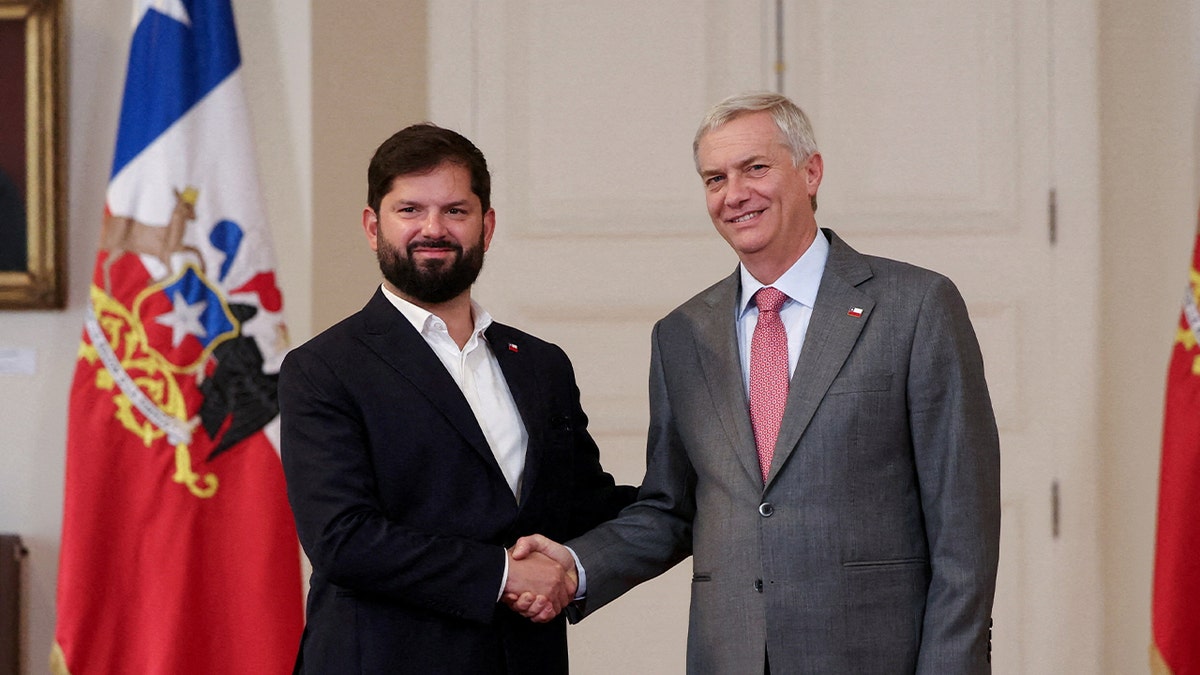
President-elect Kast has promised to crack down on crime and immigration. (Pablo Sanhueza/Reuters)
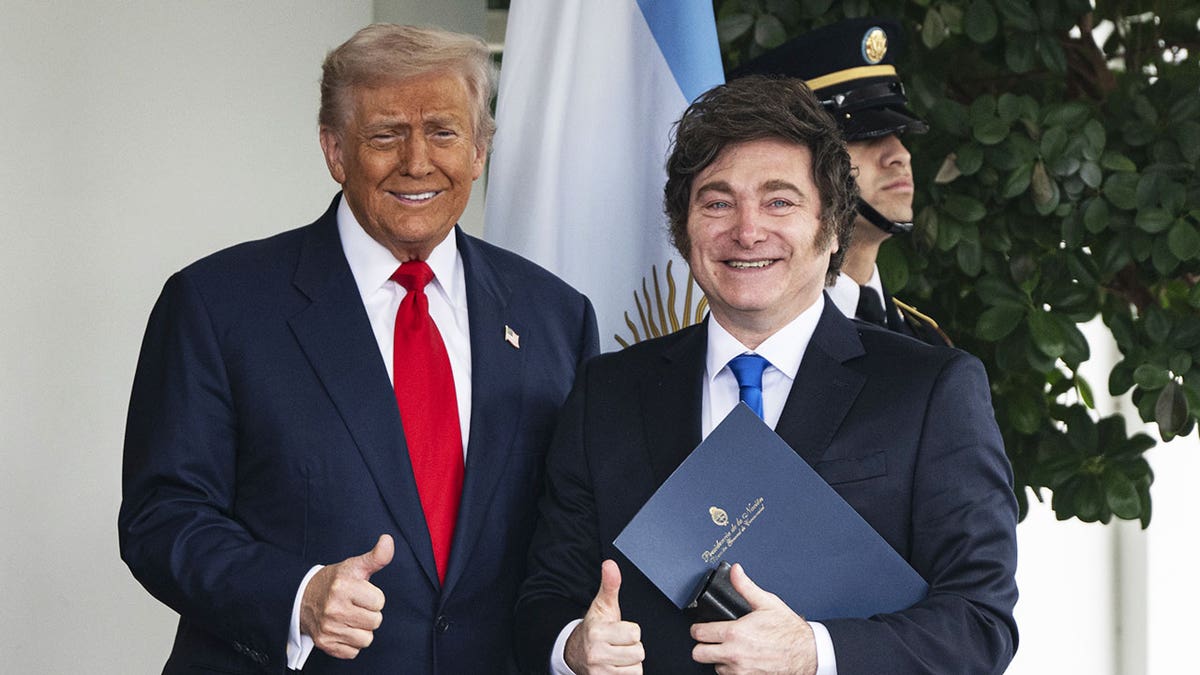
Chile’s rightward turn follows a similar shift in neighboring Argentina, which elected right-wing libertarian firebrand Javier Milei on a platform of radical economic reform and political disruption. (Celal Gunes/Anadolu via Getty Images)
Chile’s rightward turn follows a similar shift in neighboring Argentina, which elected libertarian firebrand Javier Milei on a platform of radical economic reform and political disruption.
But the two leaders represent distinct strains of the right: Milei is an anti-establishment libertarian who thrives on theatrical confrontation and sweeping proposals to strengthen Argentina’s economy, while Kast is a more traditional conservative focused on order, border enforcement and institutional authority. Their victories stem from similar voter frustrations, but they offer very different styles of government.
CLICK HERE TO DOWNLOAD THE FOX NEWS APP
Kast is also one of South America’s most outspoken critics Venezuelan leader Nicolás Madurooften citing Venezuela’s economic collapse and mass migration as warnings for Chile. He accused Maduro of allowing criminal networks to flourish and linked Venezuela’s crisis directly to Chile’s migration and security challenges.
The lack of a majority in his party’s Congress could slow or dilute part of his agenda, but Kast’s decisive margin suggests that Chilean voters are ready to test his tough security strategy after years of political deadlock and growing public anxiety.